M60 crash today: major traffic disruption follows multi-vehicle collision near junction of motorway
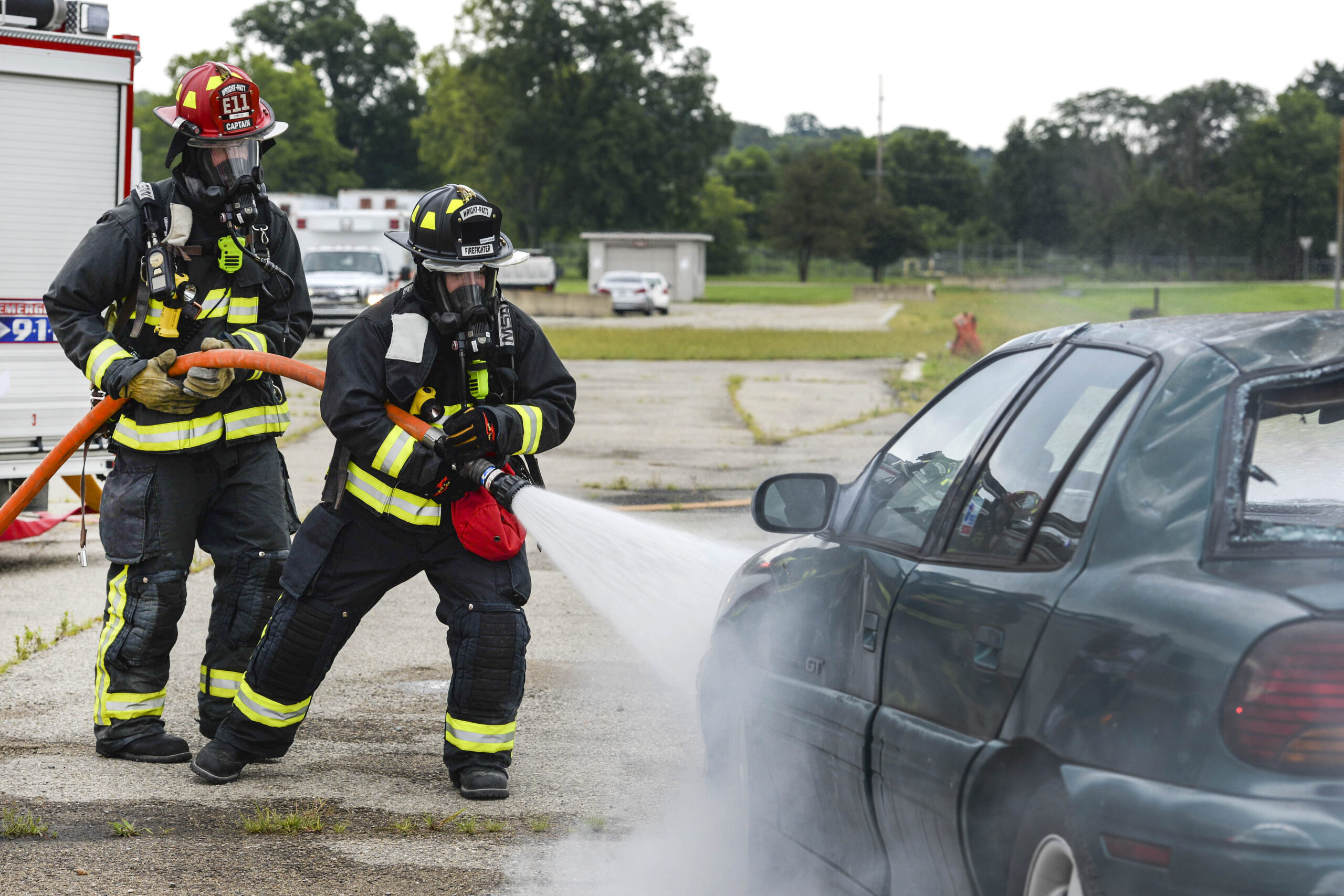
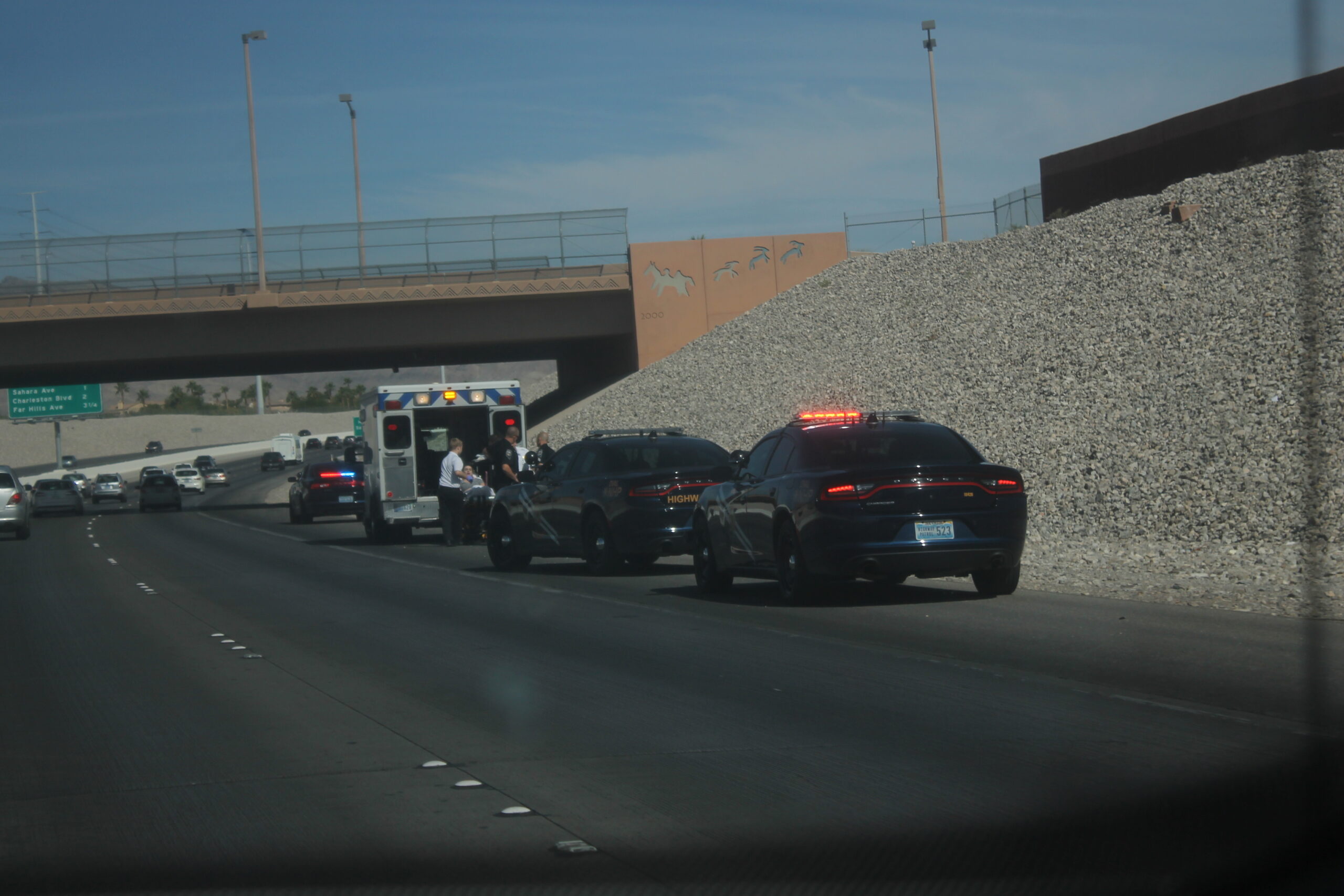
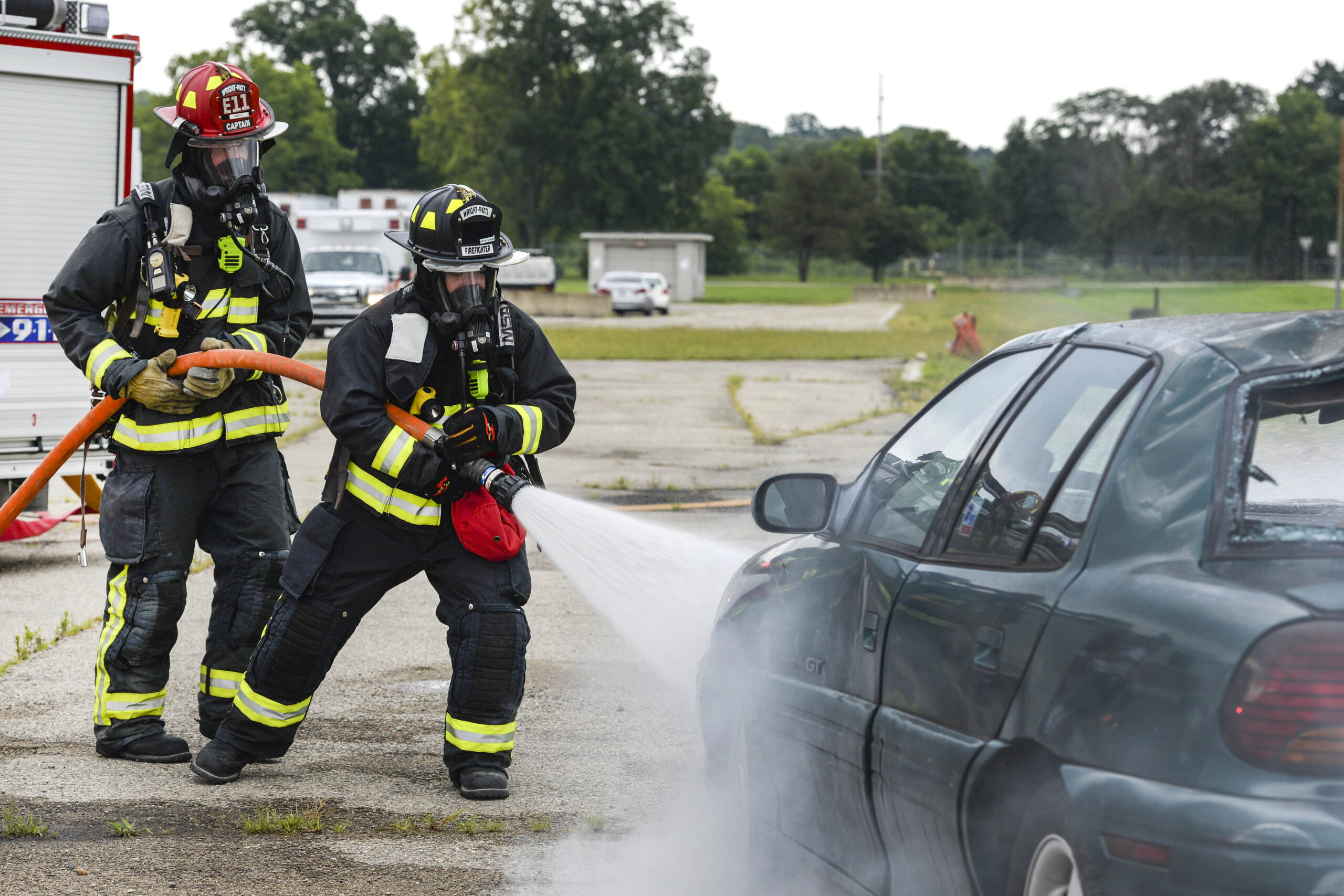
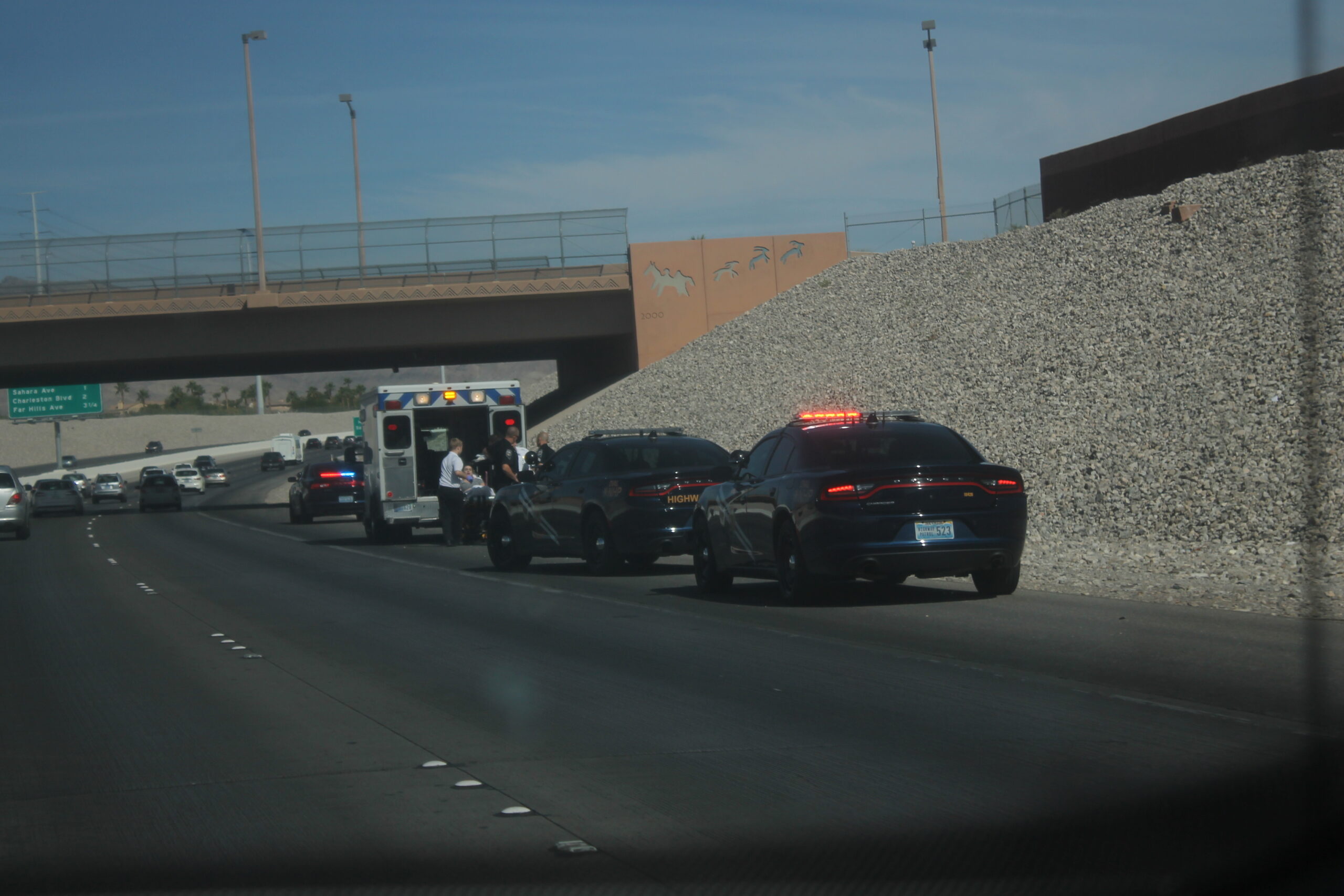
A severe road traffic collision on the M60 has resulted in extensive emergency operations today, causing significant delays for thousands of motorists traveling through the region. First responders were dispatched to the scene shortly after the initial reports of the incident reached central dispatch centers. The event, which occurred during the peak morning transit period, has led to a major mobilization of local law enforcement, fire rescue teams, and ambulance crews tasked with managing the scene and ensuring the safety of those involved.
As authorities work to clear the wreckage, the M60 crash today remains the primary focus of local transit agencies and highway traffic management systems. While the exact sequence of events leading to the collision is currently under review, preliminary assessments from the scene indicate that multiple vehicles were involved. Emergency services are prioritizing the extraction and medical evaluation of individuals impacted by the force of the impact, while simultaneously working to stabilize the traffic flow to prevent secondary incidents in the vicinity of the active recovery zone.
Dispatch Chronology and Initial Emergency Response
The sequence of the emergency response began at approximately 7:15 a.m. local time when the first calls were logged with the regional highway patrol. Within minutes, multiple units from the local Fire and Rescue Department were mobilized, arriving on-site to find a complex scene requiring immediate triage and hazard mitigation. Dispatch logs reveal the following timeline of the initial intervention:
- 07:18 a.m.: First distress call received at the emergency operations center.
- 07:22 a.m.: Advance police patrol units confirm the location and severity of the impact.
- 07:25 a.m.: Fire rescue command establishes a perimeter to allow for the safe deployment of heavy extrication equipment.
- 07:35 a.m.: Medical units initiate transport procedures for those requiring urgent hospital admission.
Scene Perimeter Management and Transit Impact
The immediate area surrounding the incident has been cordoned off to facilitate a thorough forensic examination of the roadway. Highway enforcement officials have implemented a series of lane closures to maintain the integrity of the scene. These closures are currently impacting the flow of traffic across several miles, with motorists being strongly advised to utilize alternative routes where possible. The complexity of the scene suggests that clearing the debris and conducting necessary structural assessments of the road surface will require several hours of intensive labor.
Forensic Reconstruction and Traffic Division Review
Specialized units from the local Traffic Division are currently engaged in the forensic reconstruction of the crash. Investigators are utilizing high-definition imaging and physical measurements to determine the precise dynamics of the impact, including velocity, braking patterns, and the potential influence of external environmental factors. This phase of the investigation is critical for establishing a comprehensive report on the root cause of the incident and will provide the evidence necessary for any subsequent administrative or legal reviews. Officials have noted that the collection of data is an ongoing process that necessitates precision over speed.
Municipal Coordination and Public Safety Advisories
Local municipal authorities have issued a public safety advisory urging drivers to exercise heightened caution and patience while navigating the affected sections of the motorway. Coordinated efforts between highway management departments and local civic leaders are focused on optimizing traffic diversion corridors to alleviate congestion in nearby residential neighborhoods. Citizens are encouraged to monitor live traffic updates provided by official department channels to receive real-time adjustments on lane reopening schedules and expected clearance times.
Deployment of Heavy Recovery Resources
The physical removal of damaged vehicles requires the deployment of specialized heavy recovery equipment, which is currently en route to the site. This operation involves careful coordination to ensure that the recovery process does not exacerbate existing traffic bottlenecks. Once the vehicles have been safely removed from the highway corridor, the department of public works will perform a final inspection of the asphalt and safety barriers. Restoration of normal transit capacity will only be authorized once inspectors confirm that the site is free of oil, debris, and structural hazards. The focus remains on returning the motorway to full operational capability as safely and expeditiously as possible.