Fire Battersea Today: Emergency dispatch coordinates sixty firefighters as south London transit lines face closures
Emergency response crews mobilized rapidly across southwest London on Tuesday morning following widespread reports of a heavy structural blaze. Multiple operational units attached to the London Fire Brigade were deployed to secure an active perimeter around commercial properties situated adjacent to key rail corridors in the London Borough of Wandsworth. Heavy plumes of dense smoke visible across the River Thames prompted hundreds of emergency inquiries from local residents and transit commuters.
First responders arrived on scene within minutes of the initial distress calls to establish an incident containment zone. The incident, known colloquially as the Battersea fire today, drew immediate support from specialized high-volume pumping appliances, command support vehicles, and aerial ladder platforms. Municipal emergency personnel immediately initiated safety measures to protect surrounding commercial structures, adjoining railway arches, and pedestrian thoroughfares from radiant heat exposure.
Operational commanders coordinated closely with local law enforcement to regulate transit corridors and secure evacuation perimeters. Metropolitan Police officers cordoned off approaching roadways to facilitate unimpeded entry for incoming emergency tenders. While response operations remain active, command personnel have concentrated their primary suppression lines on preventing structural extension into adjacent logistics spaces.
Chronological Dispatch Timeline and Emergency Station Mobilization
Official records from the London Fire Brigade control room indicate that the primary emergency alerts were logged shortly after 8:15 a.m., when automated commercial alarms coincided with successive calls to the 999 emergency exchange. Command dispatchers classified the incident as an escalating commercial fire, prompting an initial deployment of four pumping appliances before escalating the response profile to ten fire engines and approximately seventy frontline personnel.
- 08:17 a.m.: Primary 999 calls registered by Brigade emergency call handlers reporting heavy smoke emitting from an industrial unit.
- 08:22 a.m.: First operational crews from Battersea, Clapham, and Wandsworth fire stations arrive on the scene and establish incident command.
- 08:35 a.m.: Incident Commander requests additional high-volume pumping tenders and a 32-meter turntable ladder to target elevated structural flashpoints.
- 08:50 a.m.: Metropolitan Police establish an outer cordon, halting vehicle traffic along connecting arterial access roads.
- 09:15 a.m.: Transport for London and Network Rail safety marshals initiate precautionary line assessments along adjacent viaduct corridors.
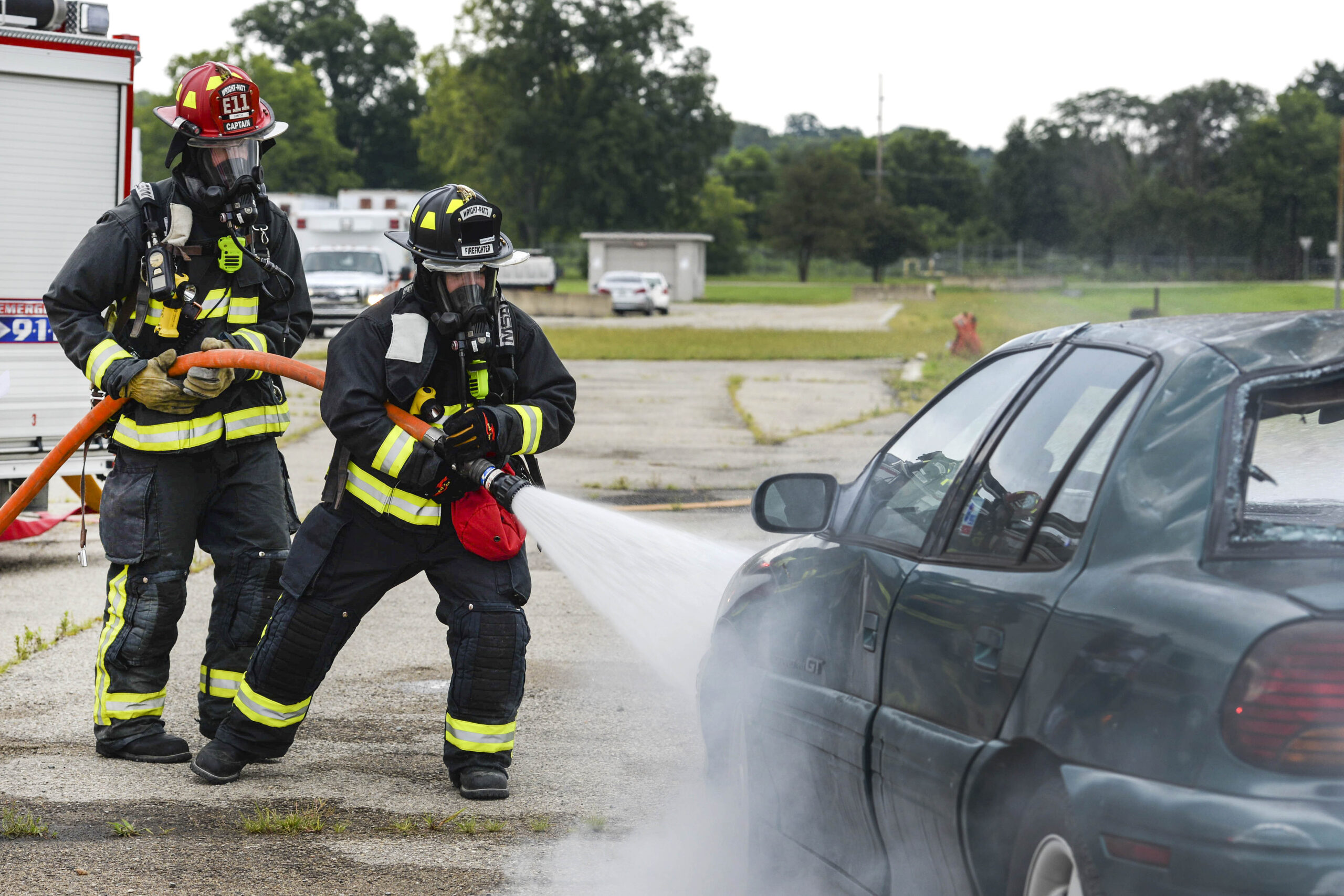
Fire crews deployed specialized breathing apparatus and charged multiple main water jets to access the interior perimeter of the affected structure, focusing suppression efforts on combustible materials stored within the facility.
Scene Perimeter Security and Metropolitan Police Cordon Operations
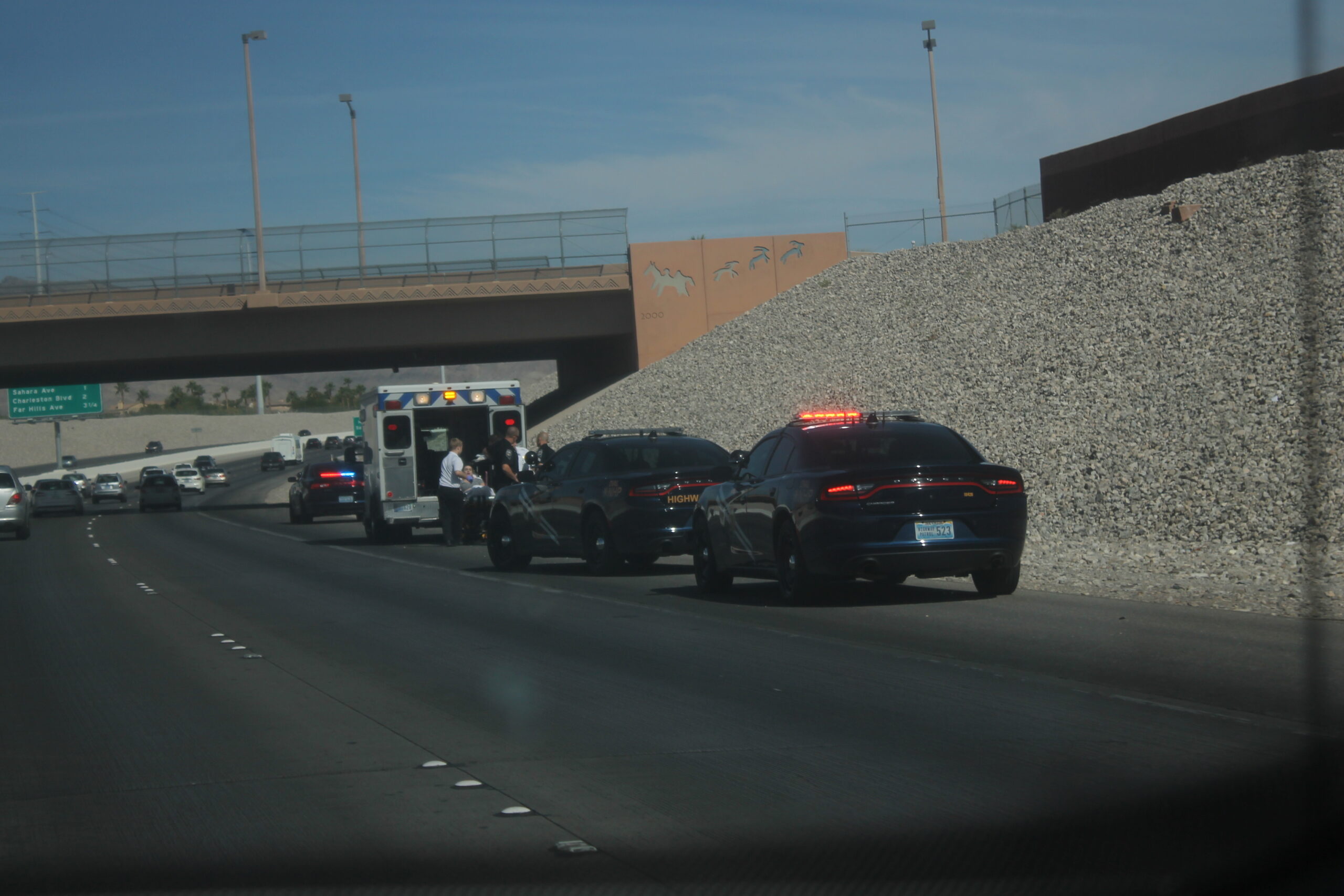
To ensure public safety amid deteriorating air quality and localized congestion, the Metropolitan Police Service enacted strict pedestrian and vehicular cordons around the immediate operational sector. Officers established barricades spanning neighboring cross streets, redirecting traffic away from the primary response corridor to maintain clear transit routes for secondary emergency appliances and ambulance support vehicles.
London Ambulance Service personnel deployed Hazardous Area Response Teams (HART) as a precautionary measure to monitor atmospheric conditions and provide immediate triage support. Authorities systematically evacuated commercial occupants from neighboring warehouses and workshops within a 150-meter radius of the central hazard zone to mitigate exposure risks.
Fire Suppression Tactics and Industrial Infrastructure Assessment
Suppression efforts presented distinct operational challenges due to the dense structural configuration characteristic of south London industrial arches. Brigade personnel positioned turntable ladders strategically around the perimeter, deploying high-angle monitors to direct concentrated water curtains onto the roofline and prevent vertical fire spread.
Firefighters utilized thermal imaging cameras to pinpoint internal heat signatures and assess structural integrity before committing interior search-and-containment teams. Specialized cutting gear was utilized to breach reinforced metal shutters, granting ground teams direct access to deep-seated combustion pockets. Municipal utility engineers were dispatched concurrently to isolate high-voltage power conduits and natural gas mains entering the affected commercial parcel.
Rail Corridor Disruptions and South London Transit Diversions
Due to the close proximity of the incident to elevated railway viaducts linking Clapham Junction, Queenstown Road, and central London terminals, rail infrastructure operators implemented protective measures. Safety inspectors monitored bridge supports and overhead electrical equipment for potential smoke obscuration and structural compromise.
- National Rail Adjustments: Precautionary speed restrictions imposed on select service branches passing through the Battersea corridor.
- Borough Bus Diversions: Transport for London rerouted multiple local bus services via peripheral avenues to bypass street-level hose lines.
- Pedestrian Advisories: Pedestrian walkways surrounding the railway arches remain restricted to authorized emergency personnel only.
Commuters navigating the Wandsworth and Lambeth transit networks were advised to review real-time travel updates via official transit portals and allow supplementary journey time during peak travel windows.
Environmental Monitoring and Wandsworth Borough Public Safety Directives
Wandsworth Borough municipal officers and environmental health monitors coordinated with brigade safety representatives to assess ambient particulate levels generated by the fire. Because industrial materials were involved in the initial combustion phase, heavy acrid smoke drifted across portions of the local residential catchment.
Public health authorities issued standard protective advisories for nearby residential developments, urging individuals located downwind of the smoke plume to keep windows and exterior doors shut tightly. Commercial air intake ventilation systems on adjacent buildings were temporarily powered down to prevent internal air contamination.
Multi-Agency Protocols and Ongoing Forensic Investigation
Following primary suppression milestones, the operation transitioned into methodical dampening down and damping of smoldering structural debris. London Fire Brigade fire investigators, in conjunction with the Metropolitan Police Service, will commence a forensic inquiry once structural engineers declare the physical building safe for entry.
Specialist fire investigation teams will examine electrical installations, mechanical machinery, and operational maintenance logs associated with the facility to determine the underlying origin of the outbreak. Municipal agencies confirm that formal debriefing reports will be released via verified government communication channels as forensic assessments progress through the coming days.