Clapham Fire Today: London Firefighters Rush to Contain Blaze Near Major Railway Hub
Emergency crews mobilized rapidly in South London earlier today as multiple London Fire Brigade appliances were dispatched to tackle an emergency incident adjacent to the United Kingdom’s busiest rail interchange. The incident prompted swift multi-agency coordination across the Borough of Wandsworth, drawing specialized resources to safeguard transit corridors, residential blocks, and commercial premises situated within the dense railway quadrant.
First responders arrived on scene within minutes of initial emergency calls placed to the 999 control center, securing the perimeter along St John’s Hill and the Falcon Road corridor. Operational commanders immediately implemented defensive zoning protocols to evaluate structural vulnerability, suppress active hot spots, and guarantee uninterrupted egress paths for thousands of transit passengers using the surrounding infrastructure.
While localized smoke conditions prompted prompt precautionary cordons, emergency agencies maintained continuous liaison with Network Rail and British Transport Police to monitor air quality, manage vehicular detours, and evaluate structural safety across all nearby access thoroughfares. The decisive deployment prevented lateral fire spread through interconnected ducting and adjacent retail elevations.
Emergency Dispatch Milestones and Initial Brigade Mobilization
The timeline of the emergency intervention highlights the rapid tactical coordination executed by the London Fire Brigade control room. Dispatch officers initiated a prioritized response protocol, routing regional pumping appliances, command units, and aerial ladder platforms directly toward the transit vicinity:
- Initial 999 Notification: Emergency operators registered consecutive emergency alerts reporting dense smoke signatures emanating near rail approach arches.
- First Appliance Deployment: Frontline fire crews from nearby stations, including Battersea and Wandsworth, reached the designated perimeter marker within under five minutes.
- Incident Command Activation: A forward control point was established to streamline aerial monitoring, water relay supply lines, and firefighter breathing apparatus telemetry.
- Specialist Technical Units: High-volume pump units and thermal imaging teams were positioned to map thermal dissipation throughout enclosed service corridors.
Cordon Deployment Across Falcon Road and St John’s Hill
To ensure unrestricted access for primary response vehicles and maintain strict public safety boundaries, Metropolitan Police officers joined forces with municipal traffic enforcement teams to close intersecting lanes. The immediate perimeter adjustments concentrated primarily on the junctions connecting Falcon Road, St John’s Hill, and Lavender Hill, redirecting regular urban bus routes and commercial delivery freight away from active hoseline installations.
Pedestrian cordons were strategically established to keep curious onlookers well clear of falling debris margins and exhaust ventilation zones. Stewards deployed temporary crowd-control barriers around pedestrian subway entrances, ensuring foot traffic moving between rail platforms and local high-street commerce was safely steered along clear exterior pathways.
Rail Operations, Platform Management, and Commuter Diversions
Given the station’s strategic role as a pivotal nexus for South Western Railway and Southern rail networks, rail infrastructure managers moved immediately to isolate potential platform risks. Signal engineers and British Transport Police monitored trackside camera feeds to ensure that track level power systems and overhead electrification remained insulated from thermal radiation or tactical firefighting runoff.
- Speed Restrictions: Precautionary low-speed operating corridors were applied on adjacent approach lines while crews worked in proximity to rail easements.
- Station Egress Monitoring: Station supervisory teams kept all primary ticket hall concourses open with guided pedestrian flow directing passengers toward southern exits.
- Bus and Highway Rerouting: Transport for London adjusted several bus schedules to bypass the immediate junction zone, establishing temporary pick-up stations outside the inner exclusion cordon.
Tactical Firefighting Measures and Ventilation Strategies
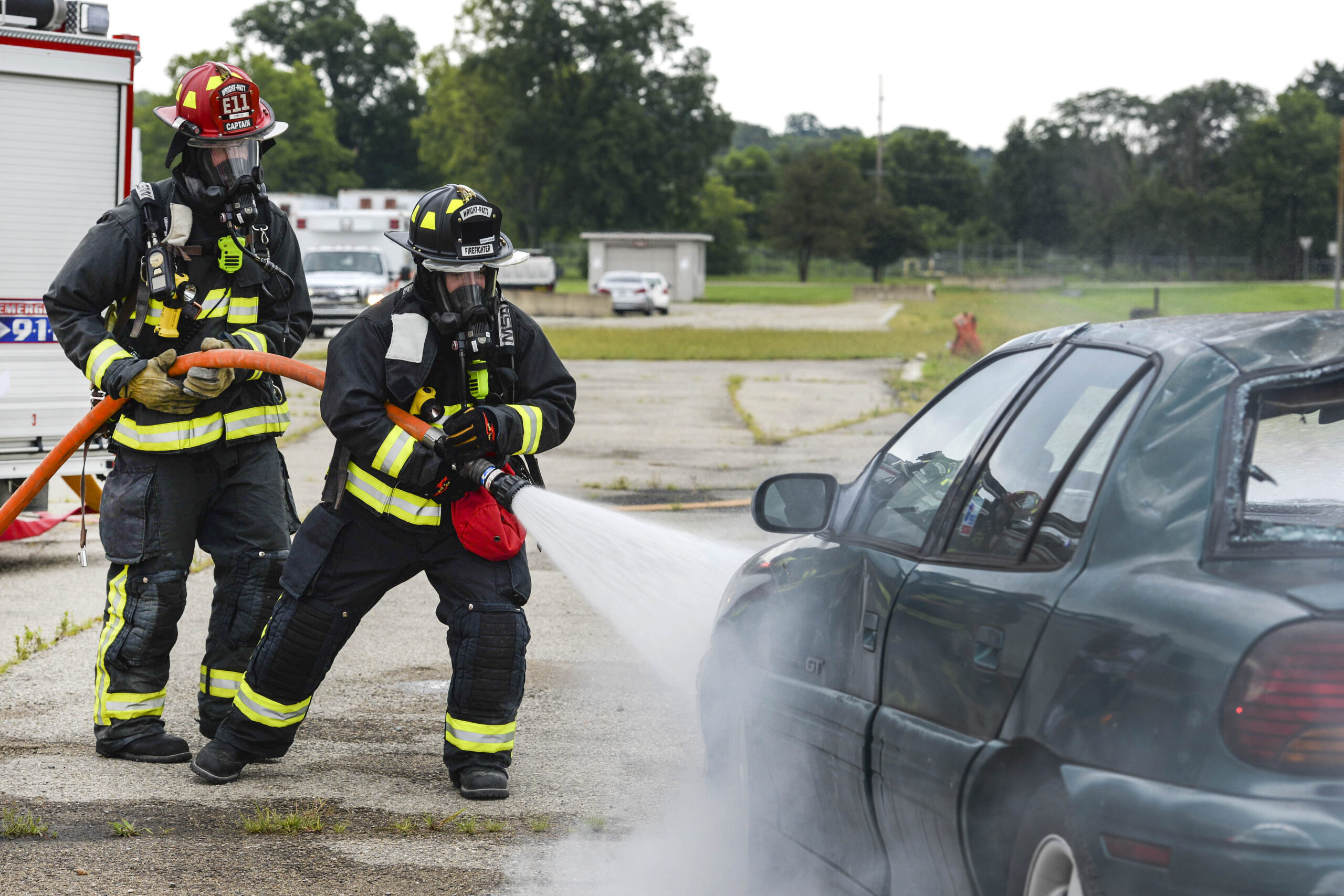
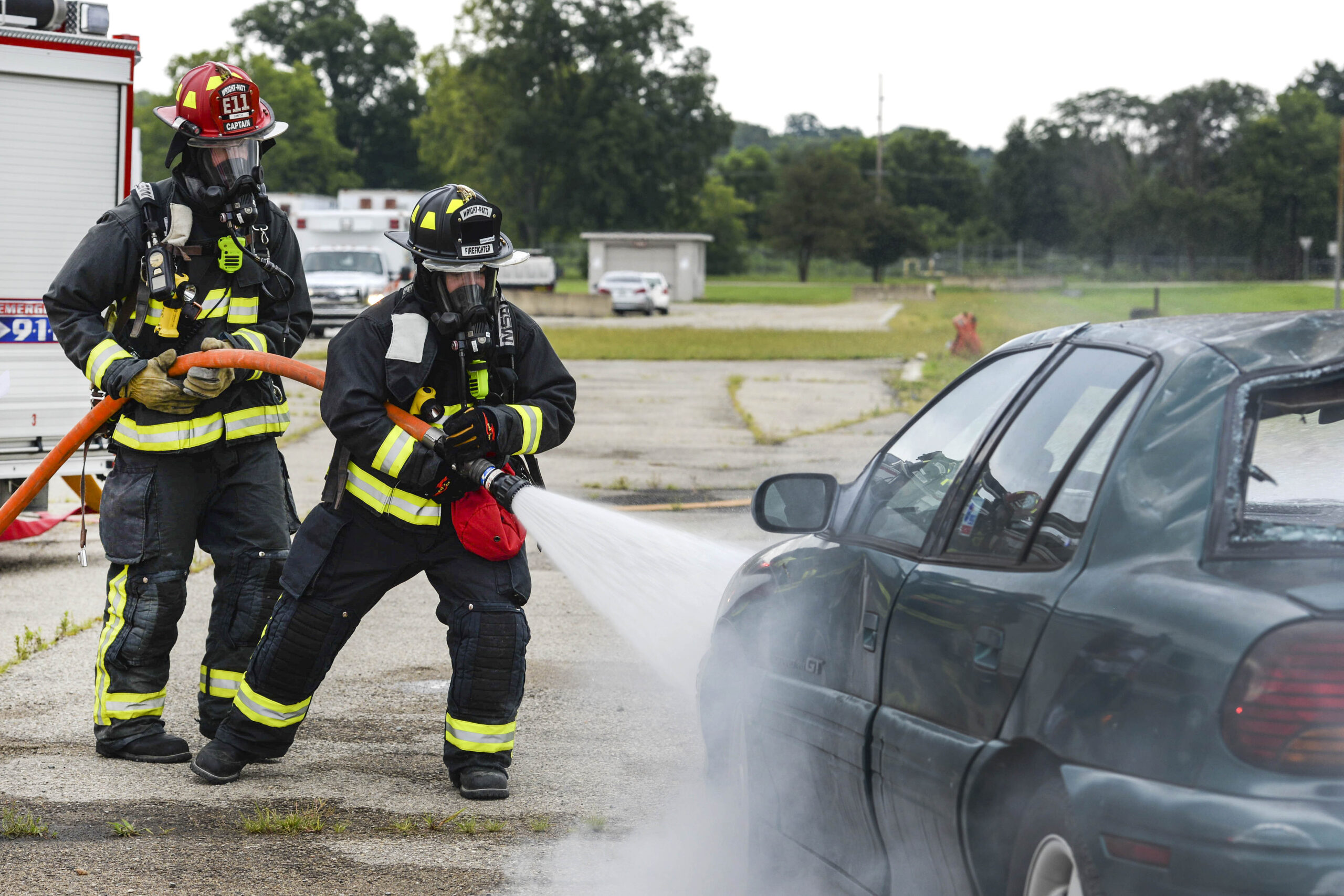
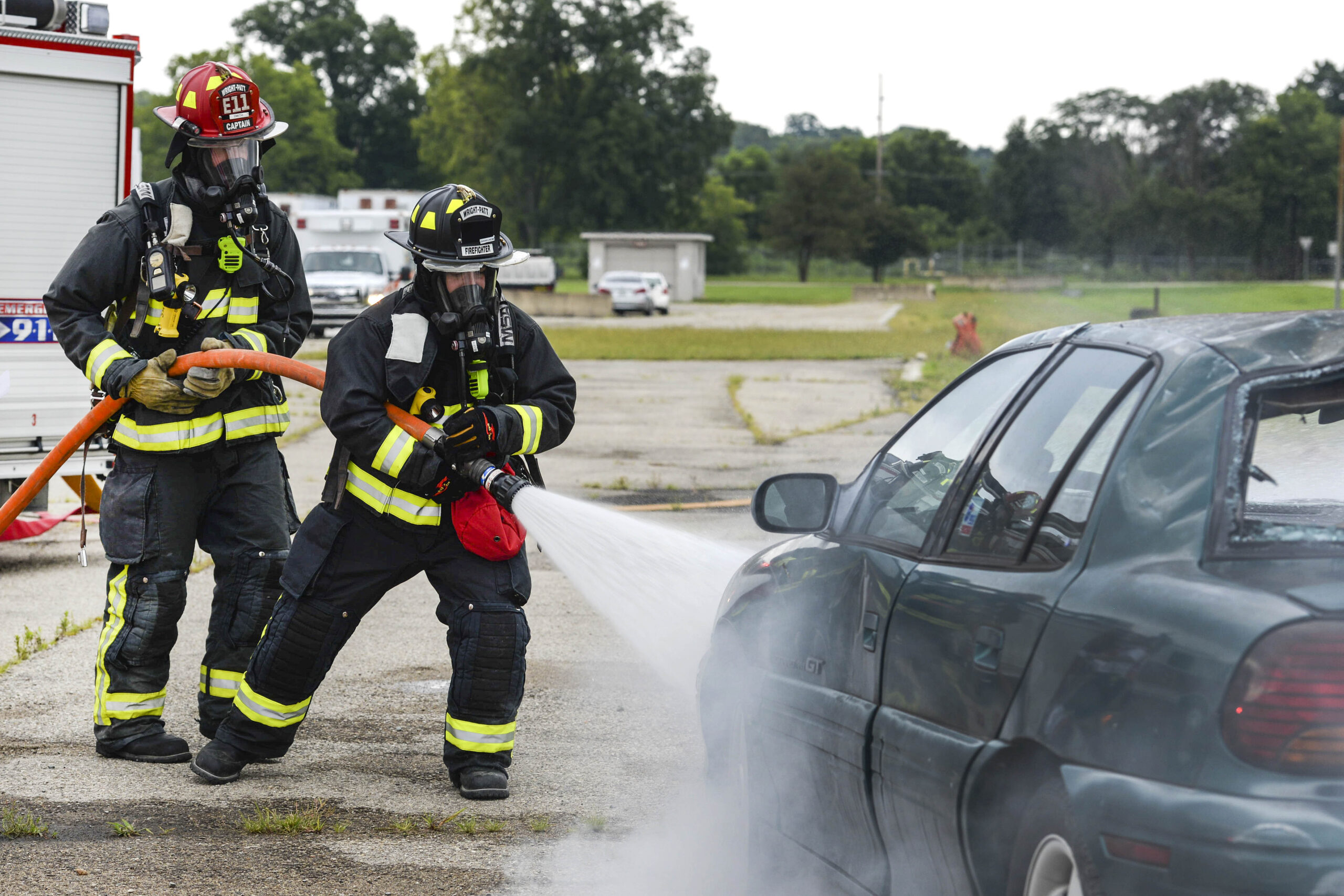
Fire crews utilized systematic compartmentalization tactics to aggressively suppress the seat of the fire. Crews equipped with extended-duration breathing apparatus deployed charged high-pressure hose reels to extinguish combustion pockets within internal fixtures, preventing flames from bridging into adjacent voids or utility conduits.
Simultaneously, tactical ventilation fans were positioned at designated openings to clear residual smoke plumes from confined compartments, significantly enhancing interior visibility for thermal imaging search sweeps. Continuous atmospheric monitoring verified that carbon monoxide levels remained below safety thresholds in both open-air platform environments and proximate apartment buildings.
Multi-Agency Scene Handover and Forensic Assessment Protocols
With active suppression completed and thermal imaging confirming no lingering subterranean hot spots, incident commanders transitioned the site toward forensic assessment and structural stability reviews. Specialized fire investigation officers began systematic documentation of electrical distribution panels, mechanical flues, and utility connection points to determine the foundational origin of the incident.
Council environmental officers and transit engineering teams initiated joint safety walk-throughs to verify that utility feeds, structural supports, and perimeter pavement infrastructure were fully stable prior to the phased removal of roadway barricades. Official updates will follow as certified safety investigators compile their full post-incident operational findings.