Yosemite fire today: Emergency Response as Authorities coordinate large scale suppression efforts near the park boundary zones
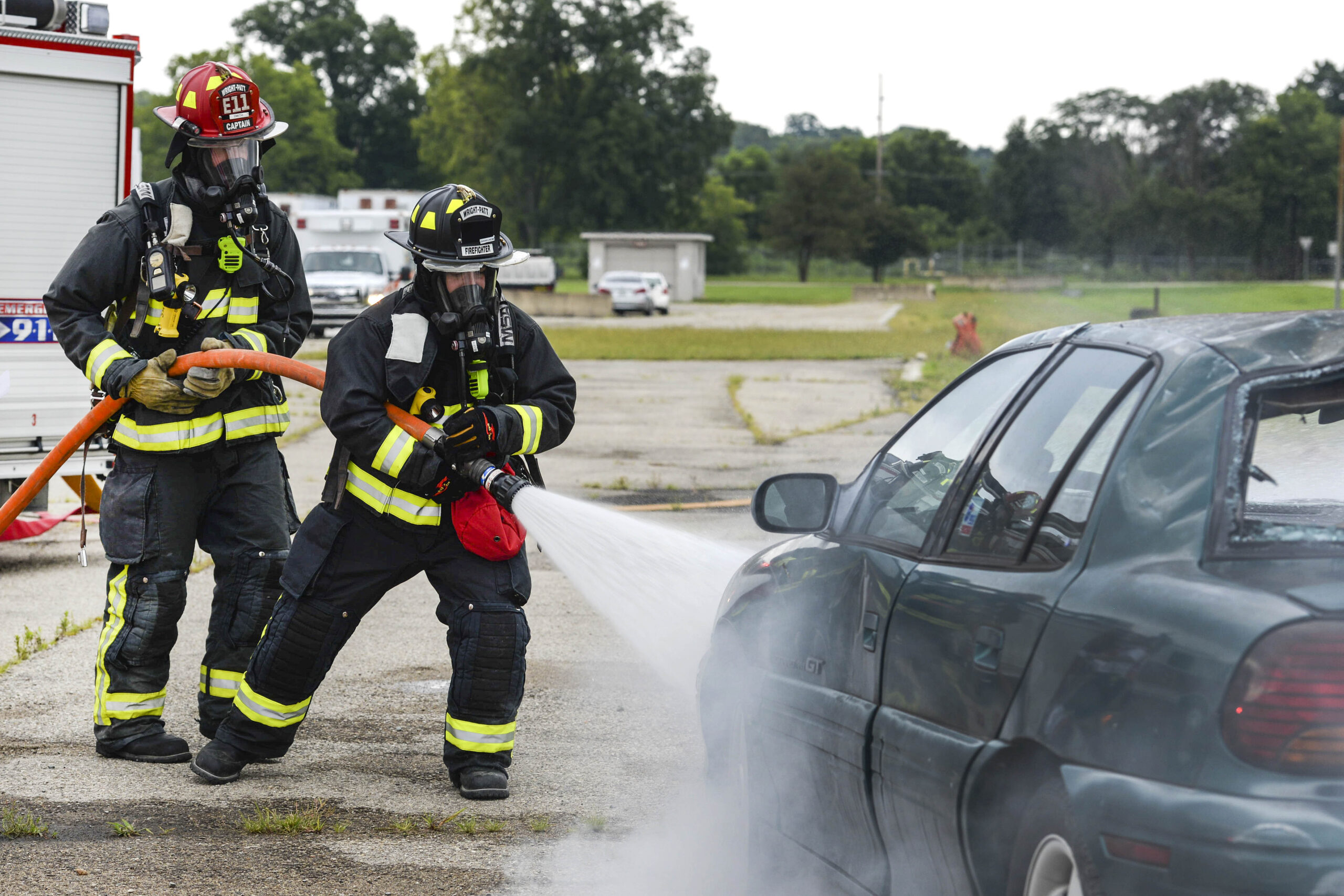
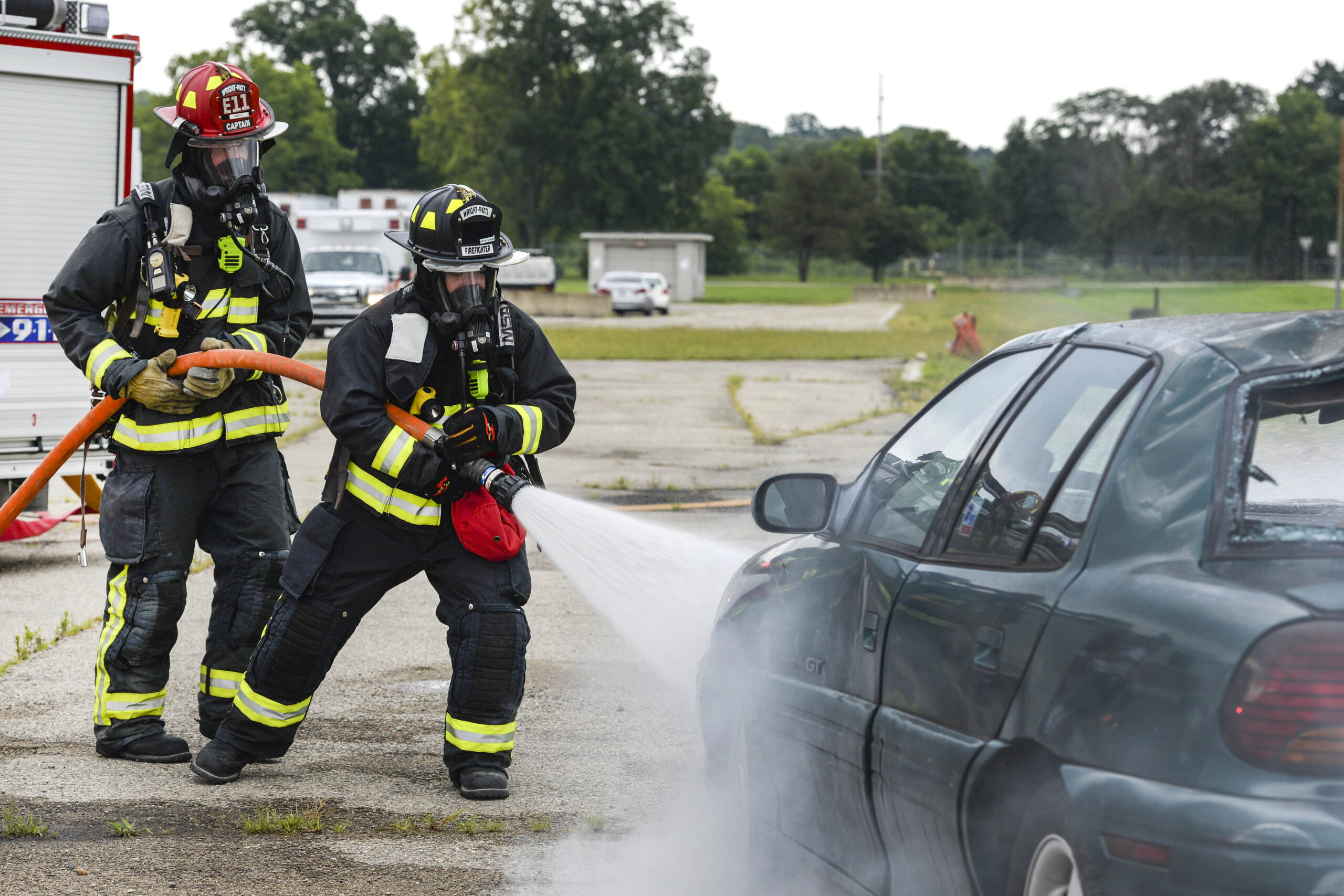
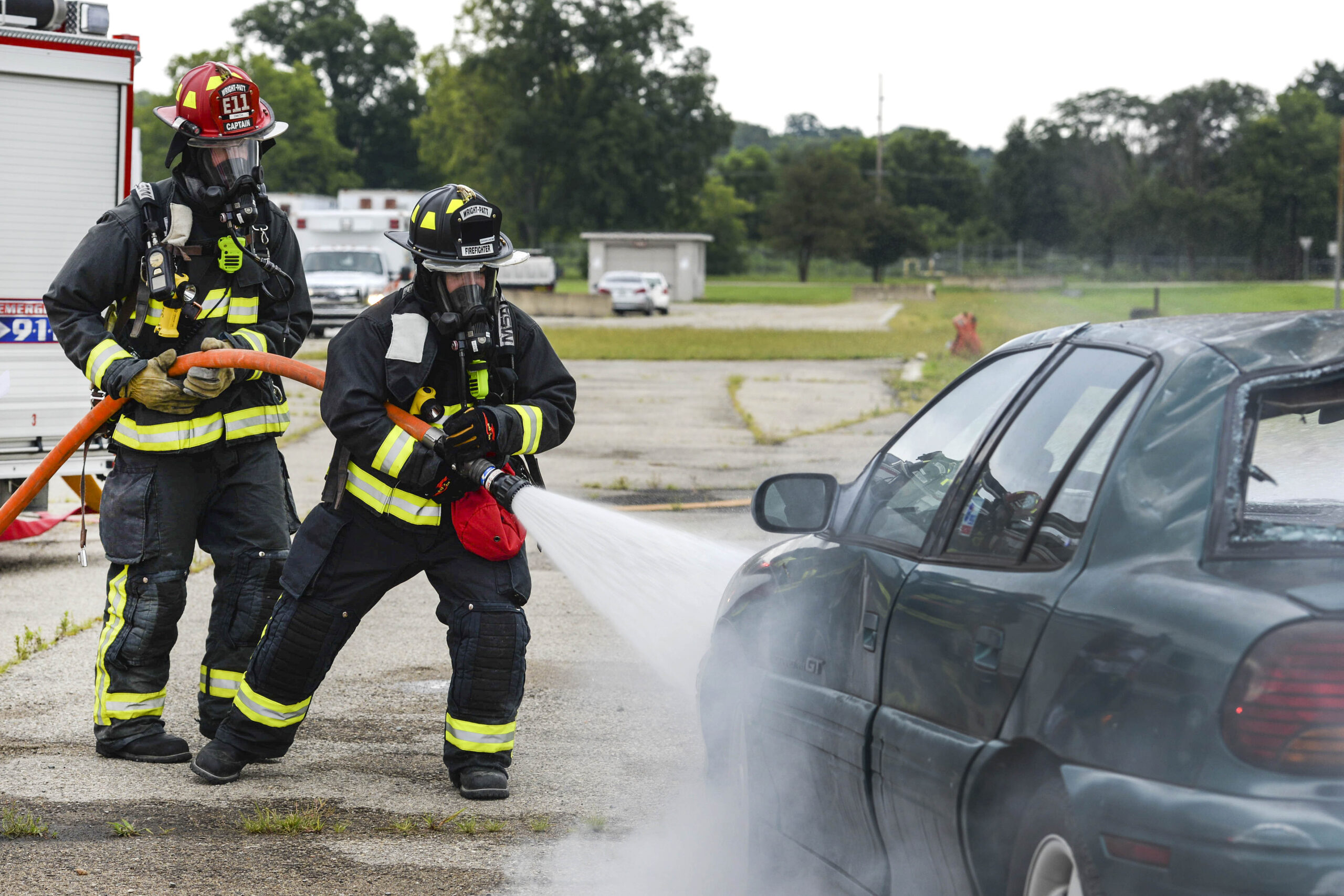
Emergency responders and wildfire management teams are actively engaged in suppression efforts following the detection of a significant blaze near the park boundary. Reports regarding the yosemite fire today have triggered a multi-agency mobilization aimed at limiting the spread of flames into protected wilderness regions. Officials from the National Park Service and local forestry departments are currently working in tandem to assess the risks posed to park infrastructure and neighboring communities.
As of mid-morning, the incident command post has been established to centralize communication and resource allocation. Aerial suppression assets, including air tankers and helicopters, have been deployed to reinforce ground crews working in rugged terrain. The priority remains the containment of the fire perimeter while ensuring the safety of all personnel involved in the emergency response operations.
Incident Command Strategy and Tactical Deployment
The tactical approach for managing the blaze centers on establishing robust containment lines that utilize natural firebreaks and existing road networks. Incident commanders are continuously reviewing satellite imagery and thermal mapping to track the fire’s progression in real-time. Key components of the current strategy include:
- Deployment of hand crews to clear fuel loads and create fire lines in high-risk zones.
- Coordination with regional meteorologists to account for shifting wind patterns that could impact fire behavior.
- Utilization of heavy equipment for tactical vegetation management along the forest perimeter.
- Continuous monitoring of smoke density to provide updates to local air quality control boards.
Infrastructure Protection and Perimeter Security
Protecting critical infrastructure, including electrical transmission lines and historic structures within the vicinity, remains a paramount objective for the unified command team. Specialized protection groups have been assigned to evaluate the vulnerability of park assets and implement defensive measures such as sprinkler systems and fire-retardant applications. These preventative actions are essential to mitigate long-term impacts on the regional environment and public access routes.
Dispatch Chronology and Initial Response Milestones
Emergency dispatch records indicate that the initial alert was received by regional operators at approximately 6:45 a.m. local time. Within twenty minutes, the first wave of suppression units arrived on the scene to find active torching in the heavy timber understory. The rapid escalation led to a second-alarm designation, bringing in additional apparatus from regional partners to support the initial containment efforts. Dispatch logs confirm that all units are operating within established safety protocols.
Logistics and Resource Staging Areas
The logistics section has successfully established a temporary staging area to manage the flow of equipment and personnel entering the incident zone. This facility serves as a hub for fuel, food, and essential medical supplies for the extended operations. Close coordination between the logistics team and transport coordinators ensures that the fire lines remain well-supplied throughout the duration of the suppression activities. Future rotations of personnel are being organized to maintain maximum operational efficiency.
Ongoing Public Safety Advisories
While the fire remains contained to a specific geographical quadrant, local authorities have issued advisories for residents and visitors to remain vigilant. Park officials are updating maps to reflect any temporary closures of trails or access roads. Visitors are encouraged to check the official park website for the most recent information regarding closures and to follow all instructions issued by park rangers and safety officers on the ground.
The situation remains fluid, and investigators are already beginning preliminary assessments to determine the root cause of the ignition. This process involves the examination of the area of origin once safety conditions permit. Further updates will be provided as official briefings are released by the multi-agency task force handling the event.